
A garbage disposal is a wonderfully convenient appliance, making kitchen cleanup quicker and easier for homeowners everywhere. However, like any hardworking piece of equipment in your home, it requires proper care and understanding to function efficiently and avoid costly breakdowns. At Staten Plumbing, we often see common issues that could easily be prevented with a few simple habits. This guide will walk you through the essential dos and don'ts to keep your garbage disposal running smoothly.
The Essential "Dos" for a Happy Disposal
Caring for your garbage disposal is simpler than you think. A few smart habits can prevent foul odors and the headache of a mid-dinner clog. Here’s how to keep your disposal running smoothly and extend its lifespan.
The Cold Water Rule: Always run cold water before, during, and for 30 seconds after use. This flushes particles through and keeps grease solid so it can be pushed out.
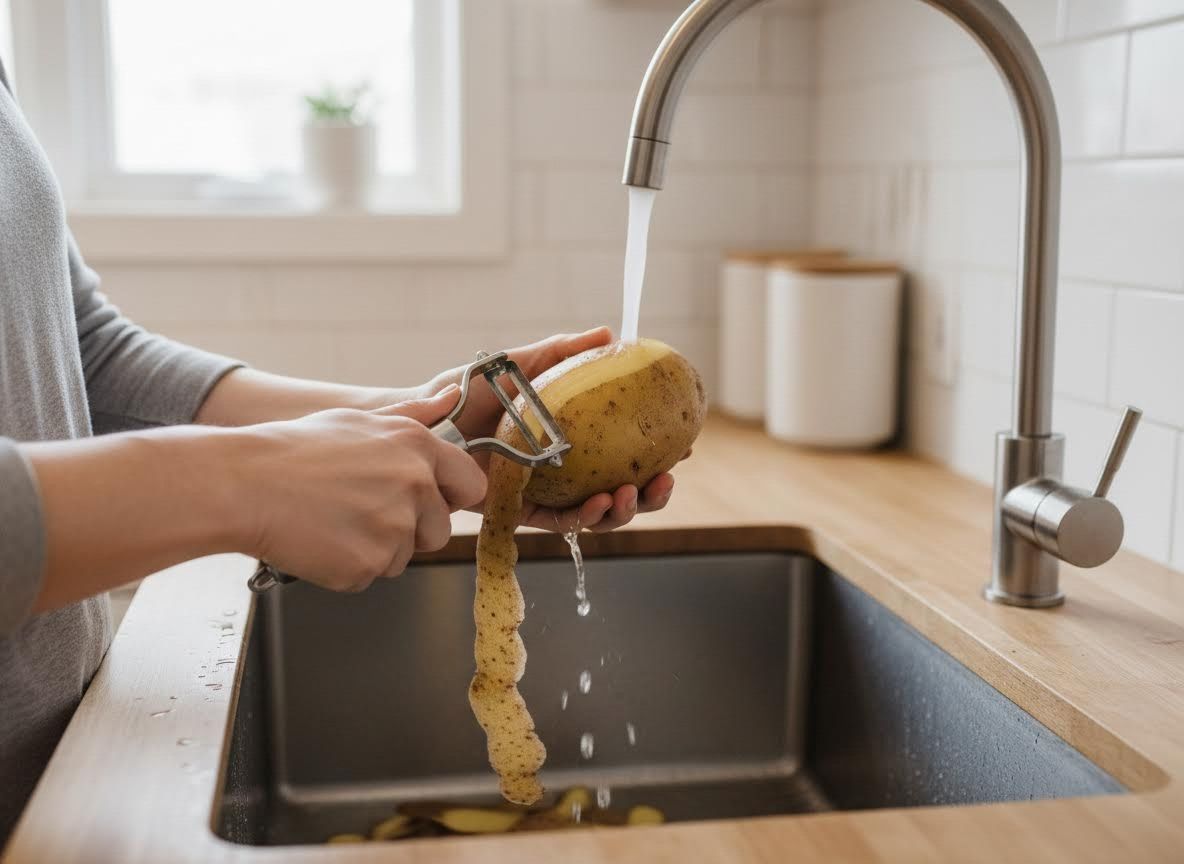
Scrape Before You Rinse: Your disposal isn't a trash can. Scrape plates into the bin first, and always throw vegetable rinds and peels in the trash to avoid overwhelming the blades.
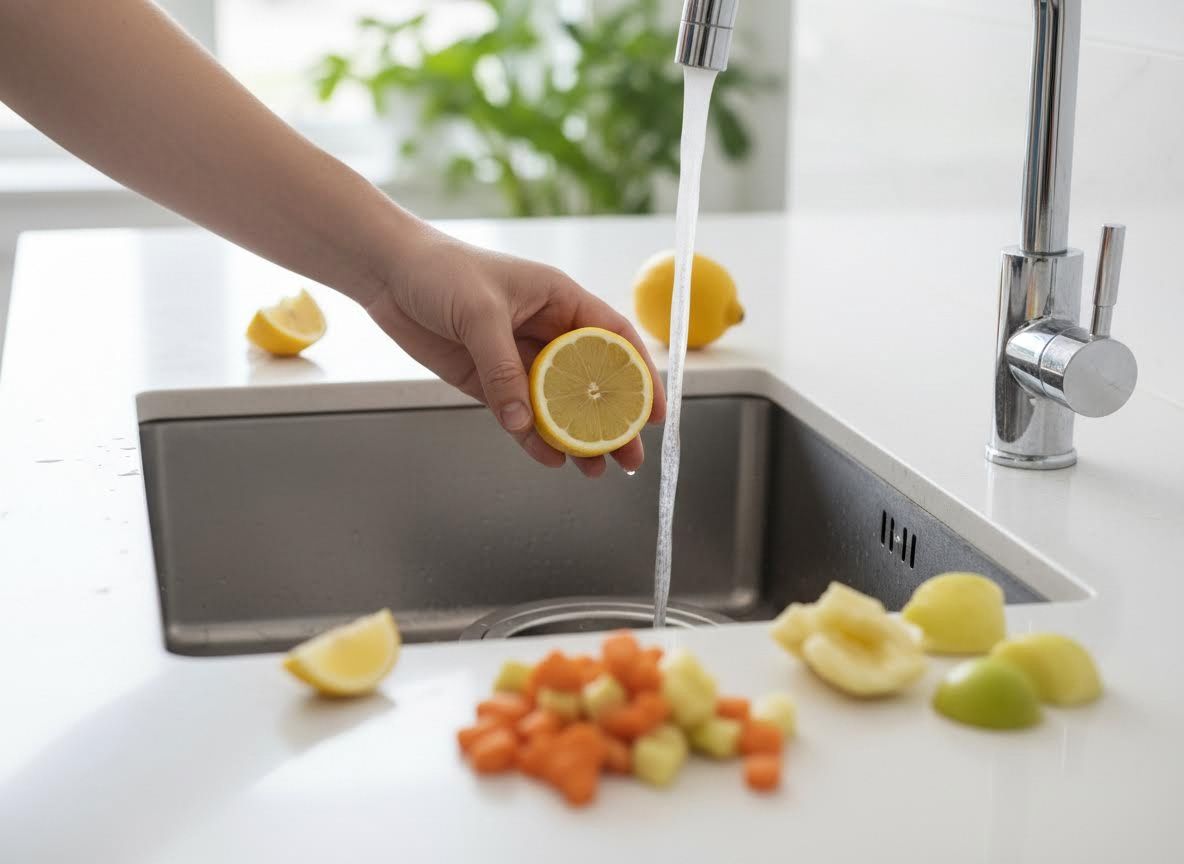
Natural Deodorizing: Grind a few citrus peels occasionally to neutralize odors and freshen the chamber.
Keep it Active: Use your disposal regularly to prevent rust and keep moving parts from seizing up.
If your disposal is humming, leaking, or backed up, the experts at Staten Plumbing are ready to help. Whether you're in Simpsonville, Mauldin, or Greenville, we’ll get your kitchen back in working order fast.
The Crucial "Don'ts" to Avoid Disposal Disasters
While disposals are tough, there are certain items they simply aren't designed to handle, and putting them down can lead to significant plumbing issues. Never put fibrous foods like celery stalks, artichokes, or corn husks down the disposal; their stringy nature can tangle around the impellers and jam the motor. Absolutely avoid pouring grease, oil, or fat down the drain, as these substances solidify when they cool, coating your pipes and leading to serious clogs. Foods that expand when wet, such as rice or pasta, should also be kept out, as they can swell and cause blockages further down the line. Additionally, non-food items like plastic, paper, metal, or even coffee grounds can damage the grinding mechanism or cause severe clogs. Lastly, avoid using harsh chemical drain cleaners, as they can corrode your disposal's components and pipes.
When to Call a Professional
Even with the best care, sometimes issues arise that are beyond a simple DIY fix. If you notice unusual noises coming from your disposal, persistent leaks under the sink, foul odors that won't go away, or a complete lack of power, it is often a sign of a more serious problem. While some minor jams can be cleared safely with power off and proper tools, attempting complex repairs yourself can be dangerous and may lead to further damage. For complex issues, a qualified plumbing contractor can diagnose and fix problems safely and effectively. A licensed plumber from our team can address electrical concerns related to your disposal, ensuring everything is up to code.
Keeping Your Home's Plumbing in Top Shape
By understanding what your disposal can and cannot handle, homeowners can prevent many inconvenient and costly issues. For any persistent plumbing concerns or professional advice, consider reaching out to Staten Plumbing. As a trusted plumbing contractor, we are always ready to assist homeowners with their needs, offering experienced and reliable solutions.