
A sudden drop in water pressure can be more than just an inconvenience; it can significantly impact your daily routines, making simple tasks like showering or washing dishes feel like a challenge. For homeowners, understanding the root causes of this common problem is the first step toward finding a lasting solution. At Staten Plumbing, we frequently help our customers diagnose and resolve these issues, restoring comfort and efficiency to their homes. Let's explore some of the most common culprits behind dwindling water pressure.
Municipal Supply or Main Shut-Off Valve Issues
Sometimes, the problem isn't within your home at all. Low water pressure can occasionally stem from issues with your municipal water supply, such as a main break in your neighborhood or routine maintenance being performed by the city. It's always a good idea to check with your neighbors to see if they are experiencing similar problems. Another common, yet often overlooked, cause is a partially closed main water shut-off valve. This valve, typically located where the water line enters your home, can sometimes be inadvertently turned down, restricting the flow to your entire house.
Internal Plumbing Complications
More frequently, the cause of low water pressure lies within your home's plumbing system. Older homes, in particular, may suffer from corroded pipes, especially if they have galvanized steel plumbing. Over time, rust and mineral deposits can accumulate on the inside of these pipes, narrowing the pathway for water and reducing pressure. Leaks, even small ones that go unnoticed, can also divert water and cause a significant drop in pressure throughout your home. If you suspect an internal plumbing issue, professional plumbing repairs simpsonville can help identify and rectify these hidden problems efficiently.
Appliance-Specific or Fixture Problems
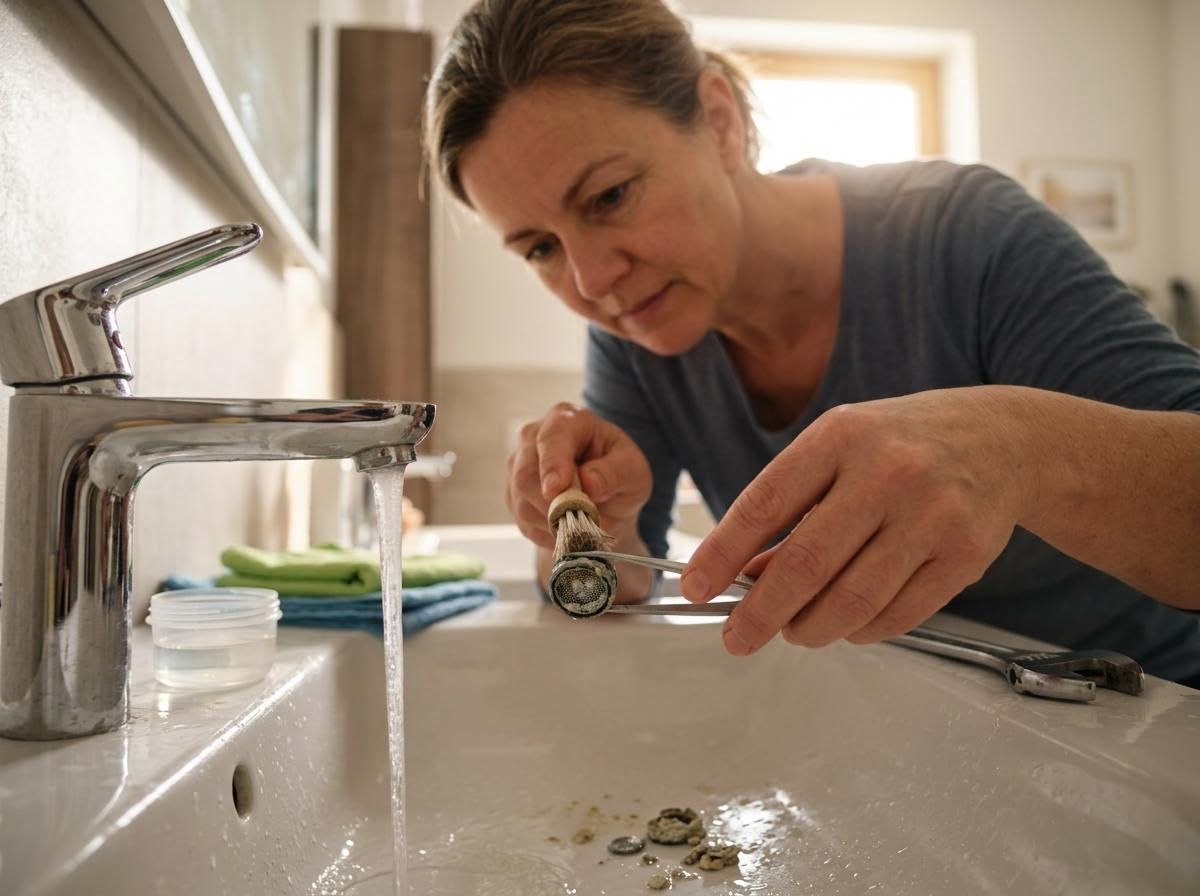
If low water pressure is isolated to a single fixture or area, the issue is likely more localized. For instance, a clogged aerator on a faucet or a showerhead full of mineral deposits can drastically reduce water flow at that specific point. Another common area to check is your hot water heater. Sediment buildup inside the tank can obstruct water flow, leading to low hot water pressure. In such cases, a hot water heater replacement might be necessary to restore adequate pressure and ensure a consistent supply of hot water. Additionally, a malfunctioning water softener or pressure regulator can also contribute to reduced water pressure.
Low water pressure can be a frustrating and complex issue with various potential causes, ranging from external municipal problems to internal plumbing complications and appliance-specific malfunctions. Pinpointing the exact reason often requires a thorough inspection of your home's entire water system. Understanding these common culprits empowers you to address the problem more effectively. If you're experiencing persistent low water pressure or require assistance with any plumbing repairs simpsonville, consider contacting Staten Plumbing to ensure your home's systems are functioning optimally. We also offer comprehensive services for your home comfort needs, including furnace repair simpsonville, furnace maintenance simpsonville, and furnace replacement simpsonville.